
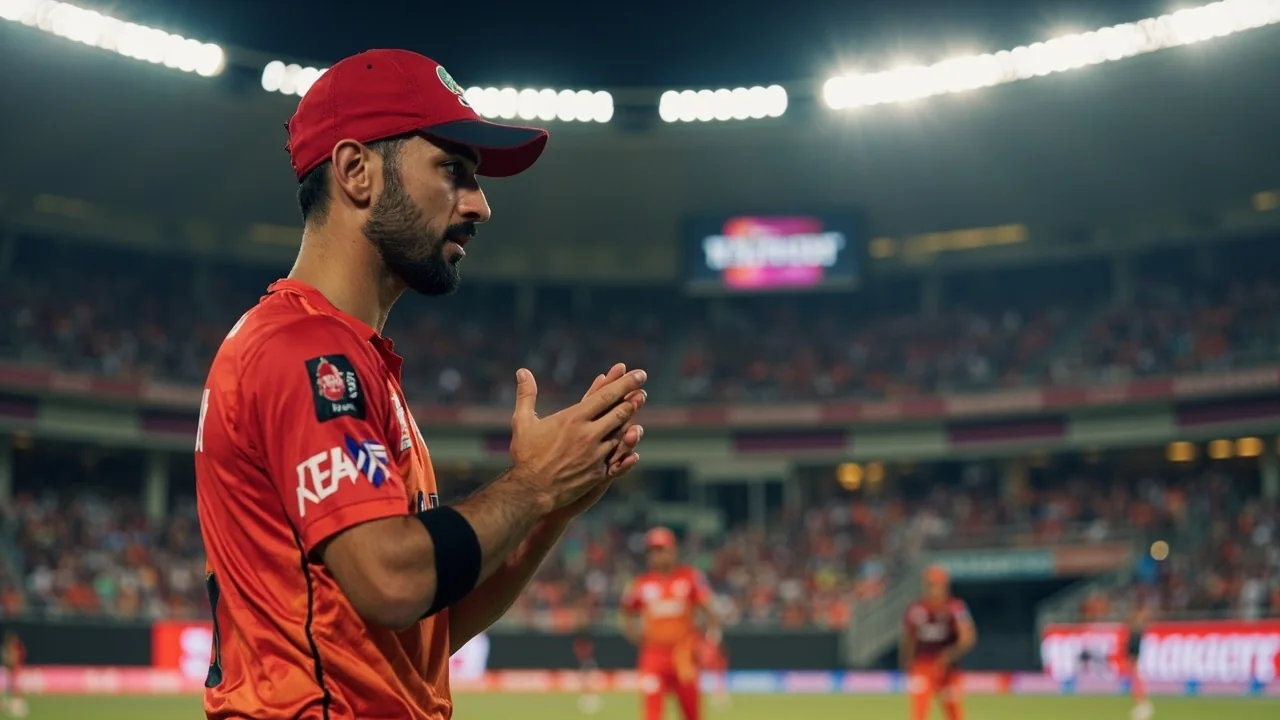
Why Match 58 carried different pressure for the two teams
Punjab Kings came into the 14 May fixture with four straight defeats behind them. The early-season momentum had drained away, and the immediate arithmetic was simple: another loss would make their route to the playoffs far narrower. Shreyas Iyer was still captain, and Punjab sat fourth in the points table on 13 points, but that position offered little comfort while the losing run continued.
Mumbai Indians were in a different place. Their playoff hopes had already ended before the Dharamsala meeting, and Lucknow Super Giants had also been officially eliminated at that stage. That did not make Mumbai irrelevant to fantasy decisions. A team outside the qualification race can still produce a strong individual performance, and the preview placed particular weight on Rohit Sharma's return and the roles around him.
The earlier meeting added a useful piece of evidence. At Wankhede, Punjab had chased 196 in 16.3 overs to beat Mumbai. That result made the fixture more than a routine rematch: it gave Punjab proof that the Mumbai attack could be put under pressure, while the Mumbai batters had a recent reason to treat Punjab's chase and powerplay plans seriously.
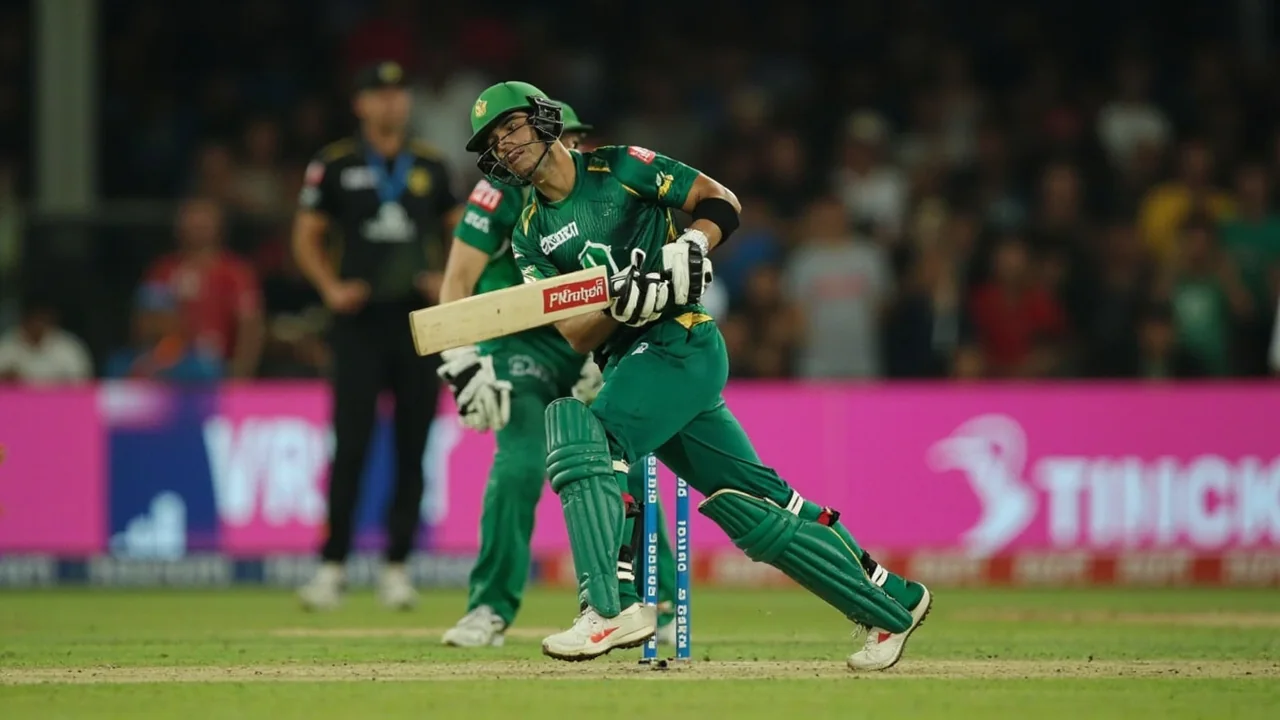
Arshdeep Singh against Rohit Sharma was the decisive early match-up
The source preview singled out Arshdeep Singh against Rohit Sharma as the third player battle to watch. Arshdeep's angle was important: the Punjab left-armer was expected to challenge Rohit with the new ball, using a delivery path that could test the opener before the innings settled. The preview recorded 13 wickets for Arshdeep in the season to that point, alongside an economy rate of 9.92.
Rohit's numbers gave the contest its other half. He had scored 243 runs in six innings before Match 58, a return that suggested useful fantasy potential but did not remove the uncertainty around his availability and rhythm. The source identified him as a likely Mumbai Impact Player candidate after his return from injury, so the role itself mattered as much as the name.
For a fantasy manager reading the preview before the toss, the sensible lesson was to separate reputation from role. Rohit was not simply a famous opener to select automatically; his recent six-innings output and recovery status belonged in the same decision. Arshdeep was not merely a wicket-taker; his value was tied to whether the new-ball spell reached Rohit early enough to create a high-impact contest.
That is why the match-up had a higher ceiling than a generic batter-versus-bowler comparison. An early wicket would have rewarded Arshdeep's role immediately and altered Mumbai's batting order. A substantial Rohit contribution would have shown that his return was already translating into runs. Neither outcome was confirmed in the preview, so the responsible pre-match read was to treat both as live possibilities rather than present either prediction as a fact.
Dharamsala made the surface part of the fantasy conversation
The Himachal Pradesh Cricket Association Stadium in Dharamsala supplied the venue context. The preview flagged the possibility of a drier surface offering turn, with Harpreet Brar's left-arm spin named as the type of skill that could benefit. That is a narrower observation than declaring the pitch good for one whole team. It points to a particular role: a spinner who can bowl into a changing surface and add lower-order batting value.
Harpreet Brar appeared among Punjab's predicted Impact Player candidates, alongside Yash Thakur, Xavier Bartlett, Vishnu Vinod and Praveen Dubey. The list matters because an Impact Player is not a decorative substitute. It changes the route by which a player can enter the match, and for fantasy decisions the timing of that entry can affect how much of the game is available to a selection.
The dry-surface note also helped frame Punjab's squad choices without pretending to know the final XI. If the pitch showed the expected grip, Brar's left-arm spin became more relevant. If it offered less turn than anticipated, the value of the pace options in Punjab's candidate list would rise. The source did not confirm that the surface would behave one way for the entire game; it presented the possibility, which is the right level of certainty for a pre-match fantasy note.
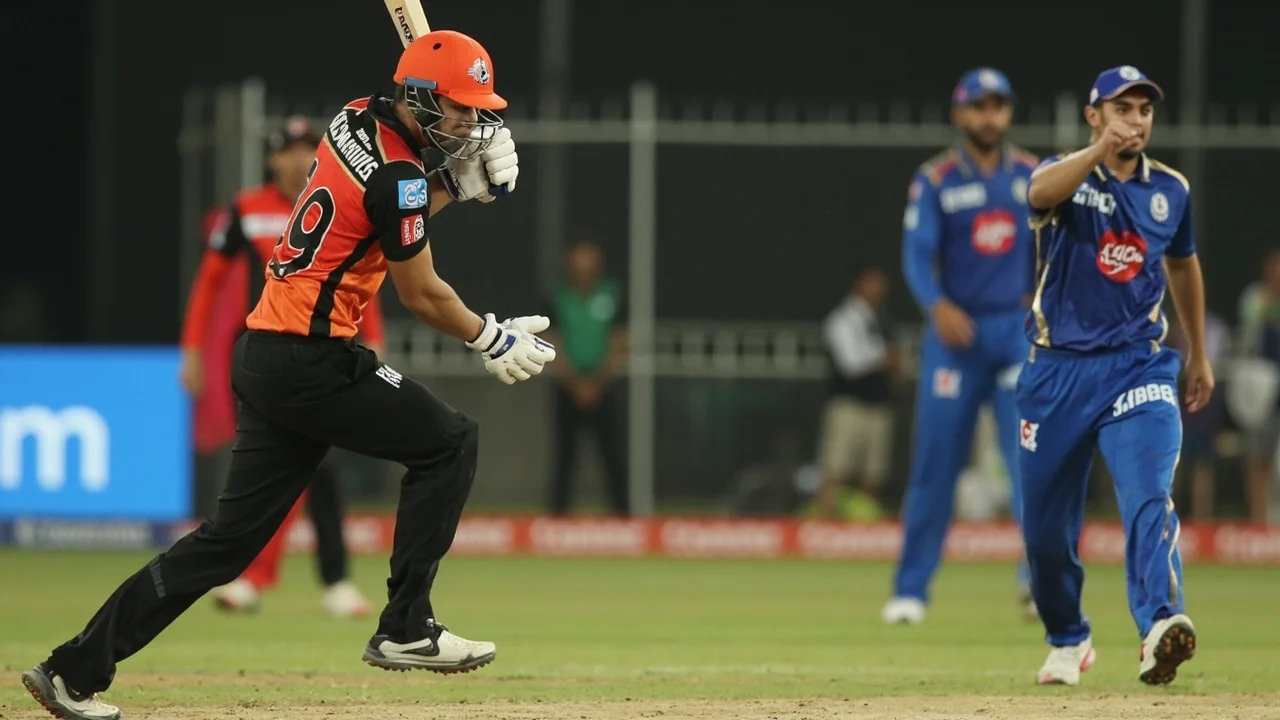
Impact Player names widened the range of reasonable selections
Punjab's group combined different skills. Brar offered left-arm spin and lower-order batting; Yash Thakur and Xavier Bartlett represented pace options; Vishnu Vinod covered wicketkeeping and batting depth; Praveen Dubey added another spin route. The preview's value was not that it guaranteed a selection. It showed how Punjab could respond to the match conditions after the opening plan had been assessed.
Mumbai's candidate group was similarly varied. Robin Minz, Shardul Thakur and Trent Boult were listed alongside Rohit Sharma. Boult brought the possibility of a new-ball role, Shardul offered an all-round route and Minz gave Mumbai another batting option. With Mumbai already out of the playoff race, the fantasy focus shifted toward which individuals still had a clear job to perform.
That distinction is useful in retrospective reading. A points table explains the team pressure, but it does not tell a fantasy manager which player can collect points in multiple ways. Brar and Shardul were interesting because their roles were not limited to one discipline. Arshdeep and Boult were tied more closely to wicket-taking phases. Rohit carried batting upside, but the return-from-injury context made the role check important.
The better reading was about roles, not a forced winner's call
The Google News headline supplied for the assignment promised a Dream11 prediction, playing XI, pitch report and injury updates. The verified publisher URL tells a more precise story: it was a top-player-battles preview for the same fixture, with a related focus on Impact Player candidates. That difference matters because a fantasy manager should not treat a player-battle preview as confirmation of a final lineup or as evidence of a completed result.
Read retrospectively, the piece offered three clear signals. Punjab's four-match slide created urgency but did not erase the earlier 196-run chase. Mumbai's elimination removed one table-based incentive but left Rohit, Boult, Shardul and the other candidates with individual reasons to matter. Dharamsala added an uncertain surface variable that could reward a left-arm spinner such as Brar.
The practical method is still useful beyond this fixture. Start with a player's expected phase: new ball, powerplay batting, middle-overs spin or late batting. Add the venue possibility only when the source gives a reason for it. Then check whether the player's availability or Impact Player status is confirmed. That sequence protects a fantasy decision from becoming a list of famous names.
Punjab's position made captaincy choices especially sensitive. Shreyas Iyer led a side that needed a result, while Mumbai's eliminated status could encourage fantasy managers to look past the table and toward role security. The preview did not establish a guaranteed captain or vice-captain. It gave the information needed to build a shortlist and wait for the toss and team confirmation.
What remains from the Match 58 preview
The lasting value of the PBKS versus MI Match 58 preview is its compact picture of a season at a turning point. Punjab were fourth on 13 points yet vulnerable after four losses. Mumbai were eliminated, yet Rohit Sharma's 243 runs in six innings and possible return gave the fixture a major individual thread. Arshdeep Singh's 13 wickets and Harpreet Brar's potential value on a dry surface added the bowling and conditions angles.
For fantasy readers, the Dharamsala record is a reminder that good pre-match work does not always begin with a predicted winner. It begins with a contest that can actually happen inside the game: Arshdeep's new ball against Rohit's return, Brar's spin against the surface, and Impact Player choices that may reshape the second half. Those are the signals worth carrying into the next match, with the original date and the limits of the source kept visible.
For broader cricket comparisons and match-reading notes, the CricGuru comparison desk keeps the discussion centred on roles, conditions and the evidence available before a game.