
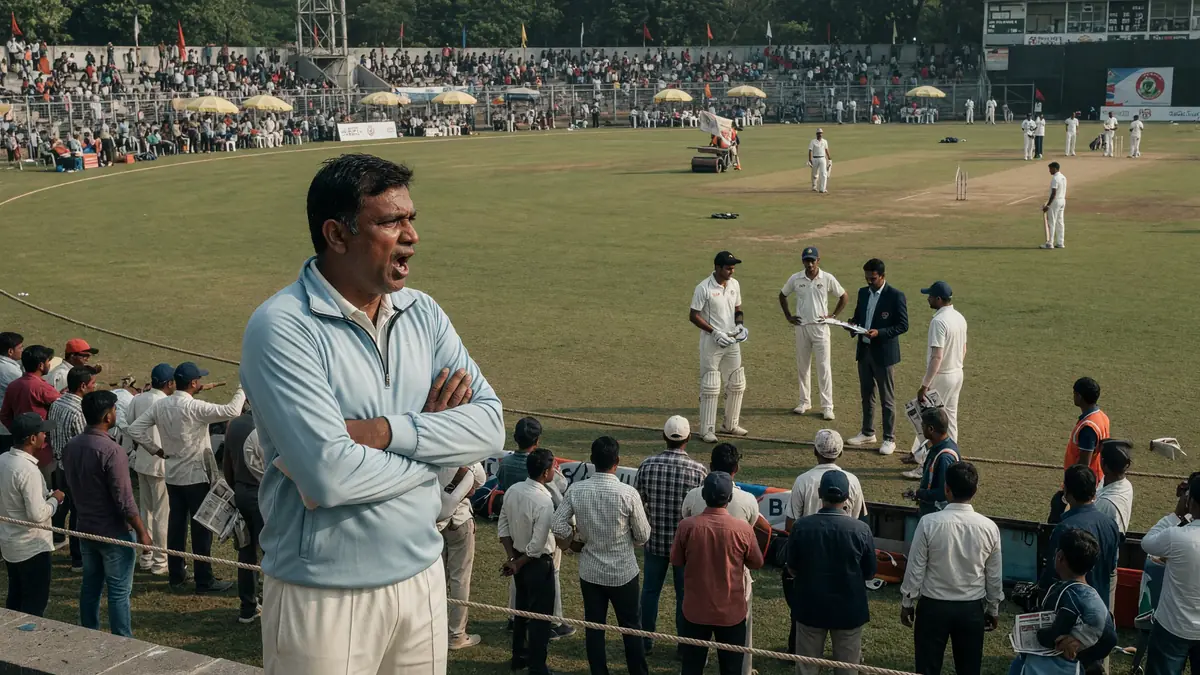
Former India wicketkeeper Deep Dasgupta has publicly disagreed with East Zone's decision to name 15-year-old Vaibhav Sooryavanshi vice-captain for the 2026-27 Duleep Trophy. Speaking on his YouTube channel after the zone announced its leadership group, the 49-year-old said he does not agree with the appointment and argued that the teenager should first establish himself with the bat in red-ball cricket.
The tournament is scheduled to begin on 23 August. On 29 July, East Zone confirmed Ishan Kishan as captain, with a squad that also includes Abhimanyu Easwaran, Anukul Roy, Mukesh Kumar and Mohammed Shami. Sooryavanshi's elevation as Kishan's deputy has become the talking point, not the captaincy itself. For form-watchers and multi-day fantasy managers on CricGuru, the debate sits at the junction of white-ball hype and first-class hierarchy.
What East Zone announced, and why the deputy role matters
East Zone's 29 July squad release placed a familiar senior core around Kishan. Easwaran arrives as a long-form specialist. Roy offers left-arm spin and lower-order runs. Mukesh Kumar and Shami give the attack two seam options with international experience. Against that backdrop, naming a 15-year-old as vice-captain is an unusual signal: the zone is not only selecting Sooryavanshi to bat, it is placing him inside the leadership chain for a multi-day competition.
Vice-captaincy in Duleep Trophy cricket is not ceremonial window dressing. When a captain is off the field, injured, or delayed by national duty, the deputy shapes field changes, bowling changes and dressing-room tone across long days. That is why Dasgupta's objection focused less on Sooryavanshi's talent and more on whether leadership responsibility should arrive before red-ball proof.
The calendar adds pressure. With the first ball due on 23 August, there is little time for a slow bedding-in period. Zones usually use the early rounds to settle batting orders and bowling shares. A teenage vice-captain changes how opponents and teammates read the hierarchy from day one, especially when the same side also carries several established first-class voices.
Dasgupta's core objection: play first, lead later
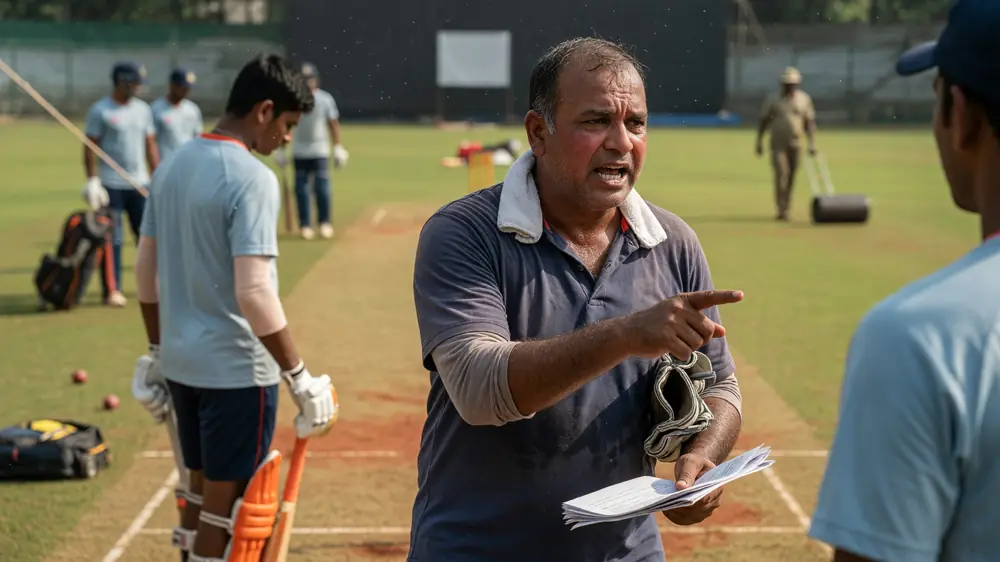
Dasgupta's phrasing was direct. "I don't agree with this decision," he said on his channel. He accepted that Sooryavanshi looks mature for 15 or 16, yet insisted maturity is not the same as red-ball establishment. In his view, the teenager should play, gather multi-day minutes, and only then be considered for a leadership tag.
He pointed to senior alternatives already inside the East Zone group. Anukul Roy, he suggested, could have been given the leadership role instead. That comparison matters because Roy is not an outsider to the zone's domestic structure; he is a known all-round presence. Dasgupta's argument is therefore structural rather than personal: if the zone wants a deputy who can command a dressing room of seasoned professionals, a senior domestic figure is the conventional choice.
At the same time, Dasgupta welcomed Sooryavanshi being picked to play red-ball cricket for East Zone. The disagreement is not about selection for the XI. It is about the vice-captaincy badge arriving before the first-class ledger looks settled. He said he was very surprised by the leadership call even while supporting the batting opportunity.
The red-ball numbers behind the surprise
Sooryavanshi has played eight first-class matches and scored 207 runs at 17.25, with one half-century. Those figures do not erase his talent, but they explain why a former international keeper paused at the vice-captain announcement. Multi-day cricket rewards repeated starts, long defensive periods and the ability to bat time when the ball is old and the field is set deep. Eight matches is still an early sample.
An average of 17.25 with a solitary fifty also frames the gap between reputation and red-ball proof. In white-ball cricket, a teenager can look finished because the format compresses risk and rewards clean ball-striking. In the Duleep Trophy, the same player may face long spells of seam movement, uneven bounce and scoreboard pressure across two innings. Dasgupta's critique sits on that format difference rather than on denying Sooryavanshi's upside.
For selectors, the counter-case is development through responsibility. Some boards hand armbands early to accelerate decision-making and force a young batter to read games, not only chase them. East Zone appears to have chosen that path. Dasgupta is arguing that the same development can happen from the middle order without the deputy title, especially when Roy and other seniors are already available.
White-ball breakout meets multi-day hierarchy
Sooryavanshi made his India T20I debut last month and has scored 193 runs in six T20Is, including two half-centuries. That is a rapid international entry by any standard. It also explains why public conversation about him is louder than the first-class average alone would justify. Short-format success travels quickly; first-class patience still has to be earned on slower news cycles.
East Zone's decision can be read as an attempt to bridge those two worlds. By keeping Kishan as captain and installing Sooryavanshi as deputy, the zone pairs an experienced white-ball leader with a teenage batter already known to national audiences. The risk, in Dasgupta's reading, is that the bridge collapses if the teenager is still learning multi-day tempo while also carrying leadership optics.
Kishan's own presence complicates any simple narrative. A captain with international keeping and batting experience remains the public face of on-field calls. The vice-captaincy only becomes decisive if Kishan is unavailable. Even so, titles shape dressing-room hierarchy before the first toss. Teammates notice who is named, and opponents notice who is being fast-tracked.
Why Anukul Roy entered the conversation
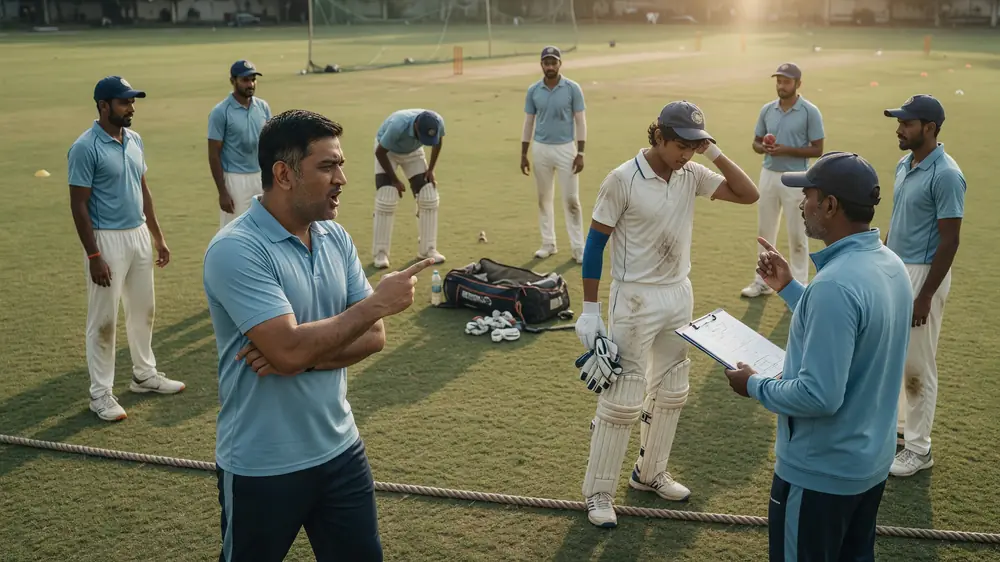
Dasgupta's mention of Anukul Roy is the cleanest alternative path inside the published squad. Roy is already part of the East Zone group named with Kishan, Easwaran, Mukesh Kumar and Shami. Suggesting him for leadership does not require inventing a new shortlist; it simply reorders responsibility among known names.
In domestic multi-day cricket, all-rounders often become practical deputies because they understand both batting time and bowling plans. Whether East Zone weighed that profile is not public. What is public is Dasgupta's preference for a senior internal option over a teenage vice-captaincy. The disagreement is therefore about sequencing: protect the young batter's learning curve, or accelerate it with a title.
Easwaran's presence adds another layer. A specialist red-ball batter can set the technical standard without holding the armband. Leadership and batting authority do not have to sit with the same person. Dasgupta's critique does not deny that East Zone has experienced players; it questions why the deputy tag skipped them.
What the appointment means for Sooryavanshi's workload
Even critics of the title can agree that red-ball minutes are valuable. Dasgupta said as much by welcoming the selection to play. For a batter with six T20Is and two international fifties already on the board, the Duleep Trophy is a different examination: leave alone, bat long, and rebuild after early movement.
Vice-captaincy adds meetings, messaging and public scrutiny on top of that examination. If Sooryavanshi starts slowly with the bat, every leadership soundbite will be read through the same lens. If he scores heavily, the appointment will look bold rather than premature. The next few multi-day innings will decide which reading sticks, not the pre-tournament debate alone.
From a pure development angle, the healthiest outcome is simple: he bats for long periods, learns how East Zone wants to construct first-innings totals, and treats leadership tasks as secondary until the runs arrive. Dasgupta's warning is that the badge can reverse that order of priorities before the teenager is ready.
Fantasy and form reads for the Duleep Trophy window
Multi-day fantasy contests punish inflated white-ball ownership. Sooryavanshi's T20I burst will drag casual ownership upward even if his first-class average remains modest. Managers who track role minutes rather than headlines should separate three questions: will he bat in the top order, will he keep any part-time bowling or fielding premium, and will leadership duties change his risk profile at the crease.
Kishan remains the cleaner leadership-linked pick if captaincy bonuses or high involvement rates apply in a given contest ruleset. Shami and Mukesh Kumar are the seam names with known international workloads, while Easwaran is the classic long-form accumulation option. Roy sits in the differential bucket as a multi-skill domestic piece. None of those reads require accepting or rejecting Dasgupta's view; they simply follow published roles.
The practical approach for the opening round is conservative on the teenager until the first scorecard lands. If Sooryavanshi bats through a session and looks settled against the new ball, ownership can catch up later in the tournament. If he is in and out cheaply, the vice-captaincy story becomes noise around a still-developing red-ball profile.
What the debate does not settle
Dasgupta has stated a clear preference. East Zone has stated a clear selection. Neither statement, on its own, predicts how the first Duleep Trophy match will unfold. The former India keeper may be right that senior deputies are safer. The zone may be right that early responsibility accelerates a special talent. Only the multi-day evidence can sort those claims.
It is also worth keeping the tone of the critique in view. Dasgupta did not argue that Sooryavanshi should be dropped. He argued against the vice-captaincy. That distinction matters for anyone tempted to turn a leadership debate into a referendum on the teenager's entire career path. The published first-class sample is thin; the white-ball sample is bright; the leadership experiment is new. All three can be true at once.
Until 23 August, the public record is limited to the squad announcement, the leadership names, Sooryavanshi's eight-match first-class ledger, his six-match T20I start, and Dasgupta's recorded disagreement. Anything beyond that is projection.
The next checkpoint is 23 August
The Duleep Trophy begins on 23 August, which is the first hard date that can move this conversation from opinion to evidence. Watch whether Sooryavanshi bats high enough to face the new ball, whether Kishan remains fully available as captain, and whether East Zone's senior core — Easwaran, Roy, Mukesh Kumar and Shami — still drives the tactical spine regardless of the deputy title.
If the teenager compiles a long first-class innings early, Dasgupta's surprise will look cautious rather than prophetic. If he struggles for fluency while carrying the vice-captain label, the call for a senior deputy such as Roy will grow louder. Either way, the useful measure is red-ball output across full days, not the volume of pre-tournament reaction.
For match notes, squad changes and form alerts through the zone window, follow the CricGuru cricket news desk as East Zone's first Duleep Trophy scorecards arrive and the leadership experiment meets multi-day reality.