
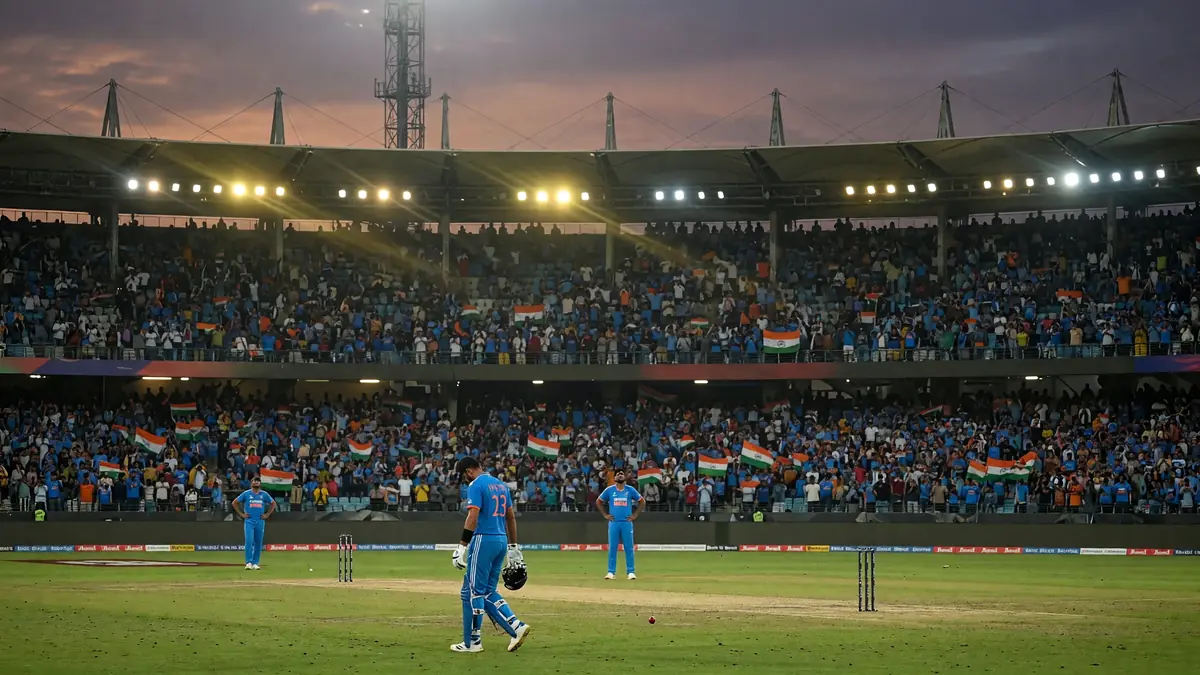
India begin a three-match T20I series against Zimbabwe in Harare under new captain Shreyas Iyer, less than two weeks after a 0-4 T20I series loss to England. The assignment is straightforward on paper. The backdrop is not. Since lifting the T20 World Cup earlier in 2026, India have lost six of their last seven completed T20Is, with one further match abandoned midway because of rain.
Former India spinner Maninder Singh, speaking to IANS and reported by News18 on 23 July 2026, framed that run as more than a bad patch. He said the depth of India's T20I talent may have fed overconfidence, and that defeats to Ireland and England could help the reigning world champions leave that mindset behind. For fantasy managers and form-watchers on CricGuru, the Harare series is the first clean look at how a reshaped leadership group responds when the recent record no longer matches the trophy cabinet.
A captaincy handoff after back-to-back series blows
Shreyas Iyer takes the T20I armband for the Zimbabwe leg with the side still absorbing two awkward results in quick succession. Late last month India suffered a historic 0-2 T20I series defeat to Ireland. The England tour that followed finished 0-4. Those scores sit awkwardly next to a World Cup win earned earlier in the same calendar year, and they compress the usual narrative arc of a champion side touring for fine-tuning.
The calendar leaves little room for a long reset. The Zimbabwe series opens while England still lingers in the rear-view mirror. All three matches are scheduled for Harare, so the group will work on one surface cluster rather than rotating venues. That structure usually helps a new captain set patterns early: who bats where in the powerplay, who bowls the middle overs, and how aggressively India chase or defend when the bowling attack is not stacked with every first-choice name.
Iyer's appointment also changes how fantasy managers should read the top order. A new captain often keeps himself in a preferred batting slot longer than a rotating leader would, and the supporting cast around him can shift as selectors test combinations. The Harare games are low on glamour relative to a bilateral against England, yet they are high on signal for anyone building T20 contest line-ups over the next fortnight.
What the six-from-seven record actually says
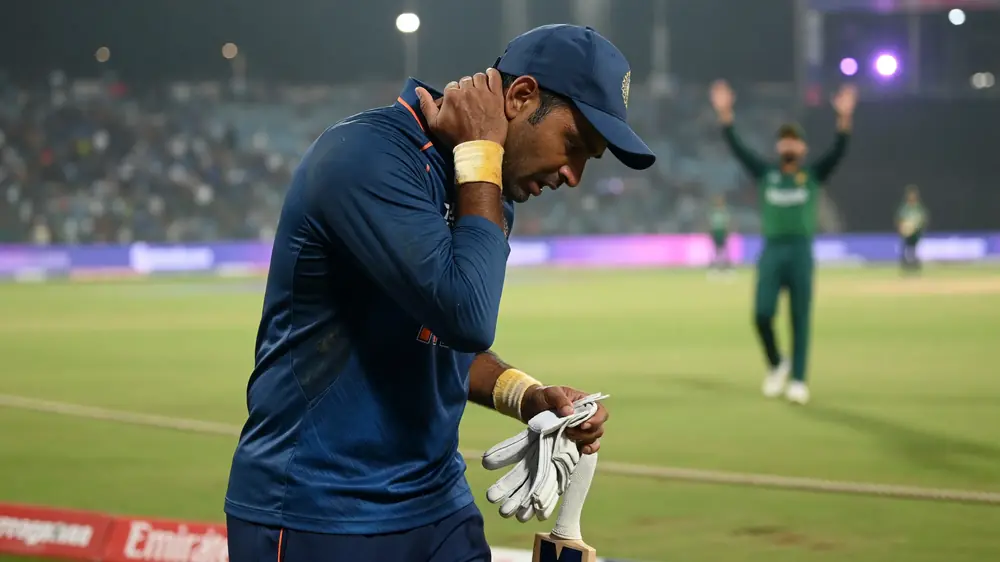
Strip away the emotional noise and the numbers still bite. Six losses in seven completed T20Is after a World Cup title is a form swing large enough to force selection conversations that a winning side usually postpones. One abandoned match in the same stretch means the sample is slightly thinner than a full seven-game ledger, but it does not soften the direction of travel.
The Ireland reverse matters because of opponent ranking and expectation, not because every India XI is meant to dominate every associate fixture without resistance. A 0-2 scoreline against Ireland late last month sits in the rare category of results that travel faster than detailed scorecards. When that is followed by a 0-4 series loss in England, the combined message is that India have been unable to impose their usual T20 methods away from the conditions that defined their title run.
Maninder's reading connects those results to mindset rather than pure talent shortage. India still carry one of the deepest T20 pools in world cricket. Bench strength, he suggested, may have encouraged a belief that volume of options equalled readiness for every surface. Recent defeats, in his view, are a corrective — unpleasant, public, and potentially useful if the dressing room treats them as evidence rather than noise.
Maninder Singh's overconfidence argument
Maninder Singh played 35 Tests and 59 ODIs for India between 1982 and 1993. His comments to IANS, carried by News18 through Feroz Khan's report on 23 July 2026, land with the tone of a former international who has watched talent depth become a double-edged sword. He argued that the sheer size of India's T20I options may have made the side overconfident, and that the Ireland and England defeats could help the world champions shed that posture.
The practical edge of that argument is selection. When a squad believes every combination works because the cupboard is full, adaptability becomes the hidden skill. Maninder said the shock of overseas struggle would be useful for selectors assessing who adjusts beyond bench-strength confidence. In plain terms: who still makes good decisions when the ball does not come onto the bat the way it does in familiar home T20 conditions.
He also pointed at pitch memory. Home World Cup and IPL surfaces, he said, trained Indian batters on tracks where the ball comes onto the bat. England demanded a different gear. That is not a novel scouting note, but it becomes sharper when placed against a 0-4 scoreline. Technique that looks effortless on true bounce can look hurried when the ball holds, seams, or sits into the pitch. Zimbabwe will not recreate English seam conditions, yet Harare still offers a chance to watch whether batters rebuild timing and shot selection after a lean away stretch.
Conditions, comfort zones, and the IPL hangover question
Indian T20 cricket lives in a loop of high-scoring domestic nights and international windows that do not always match those nights. Maninder's conditions point is less about blaming the IPL and more about muscle memory. Batters who spend months timing length balls through the line can arrive in different climates with the same release points and find the mistimed edge waiting. Bowlers who rely on hard lengths that hurry batters at home can suddenly look hittable when the surface slows.
The World Cup win earlier in 2026 did not cancel that cycle; it briefly masked it. Title runs often freeze criticism even when individual away-game habits remain untested. The Ireland and England results reopened the file. For CricGuru managers who model player value across leagues, the lesson is familiar: role clarity and recent overseas returns often matter more than trophy stickers on a bio page.
Harare will not answer every technical question raised in England. It can answer whether India still play with the same tempo and risk profile that worked on title night, or whether the captaincy change introduces a tighter middle-overs plan. Watch the first six overs for intent, then the 7–15 window for whether India still hunt boundaries at the same rate when the field spreads. Those two phases tell fantasy desks more than a post-match quote reel.
What selectors can still learn in a three-match Harare block
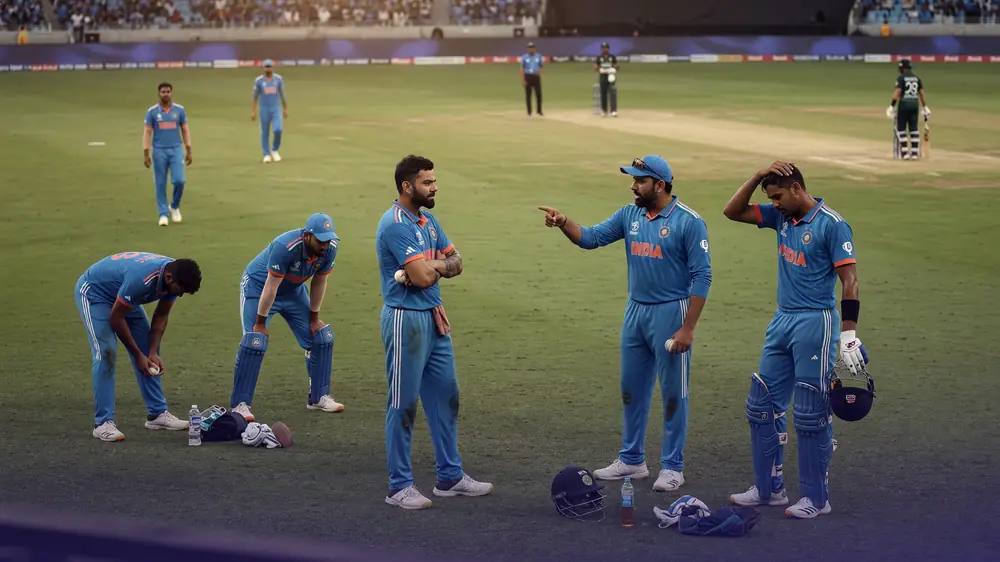
A short bilateral against Zimbabwe will not rewrite India's T20 hierarchy on its own. It can still produce clean comparative data. With three matches in one city, selectors can hold most variables steady and change only the XI pieces they want to test. That is useful after a period when results, venues, and opponents shifted faster than evaluation cycles.
Maninder's adaptability filter is the right one to apply. Look for batters who change tempo without looking frantic, and bowlers who adjust length within an over rather than repeating a plan that already failed. Look for field placements that match the bowler rather than a default template. Those are the tells of a side leaving overconfidence and returning to problem-solving.
Iyer's own game remains a selection anchor. If he bats through the middle and finishes with the death hitters, India can stabilise a batting order that looked brittle when partnerships broke early overseas. If he is forced into repair mode too often, the supporting cast still needs sorting even when the captaincy title has changed hands. Either way, three Harare nights should leave fewer excuses about sample size for the names who play all three.
Fantasy reads for CricGuru managers during the Zimbabwe series
For contest builders, a new captain plus a slumping champion side is a volatility package. Ownership patterns often lag narrative. Public teams may still overweight famous names from the World Cup XI even when recent overseas returns say otherwise. That gap is where differential captaincy and vice-captaincy arms appear.
Treat Iyer as a high-floor batting option if he locks a stable slot across the three matches, and treat any promoted middle-order batter as a live differential until roles settle. Bowling units on Harare surfaces often reward disciplined seam or clever spin through the middle rather than pure pace fireworks, so check over allocations after the first match before cloning a previous England-tour template into your Zimbabwe line-up.
Avoid reading the Ireland and England scorelines as a blanket fade on every India regular. Series results describe team outcomes; fantasy points still attach to individuals who bowl at the death or bat through a rebuild. The smarter filter is recent role minutes plus matchup, not the collective win-loss column alone. Use the first Harare XI as a baseline, then adjust only when the second match confirms a genuine role change rather than a one-off experiment.
How far a Zimbabwe series can push the reset
There is a limit to what three matches against Zimbabwe can prove. Beating a lower-ranked side will not automatically erase a 0-4 in England or a 0-2 in Ireland. Losing any of the Harare games, however, would intensify the conversation Maninder has already opened about mindset and adaptability. The series is therefore less a redemption arc and more a controlled stress test under new leadership.
The healthiest outcome for India is not a highlight-reel whitewash for its own sake. It is evidence that batters are making surface-specific choices, that bowlers are changing plans inside spells, and that Iyer's on-field calls match the conditions rather than a pre-written template from the title run. Those are the behaviours that turn a public slump into a usable correction.
Maninder's core claim is narrow and testable: recent defeats can remove overconfidence that talent depth quietly built. Whether the dressing room accepts that reading will show up in selection patience and in-game flexibility long before it shows up in another trophy photo. Harare is the first public exam under Iyer.
The next checkpoint on the calendar
All three India–Zimbabwe T20Is are set for Harare, giving the new captain a single-venue block to install patterns after the England reverse. The CricGuru desk will track XI stability, powerplay intent, and middle-overs bowling shares across the three nights rather than overreacting to any single scoreboard. Those three threads are the cleanest bridge from Maninder's comments to on-field evidence.
If India leave Zimbabwe with clearer roles and calmer decision-making, the six-losses-in-seven stretch becomes a documented low rather than a lingering identity. If the same soft moments repeat — early batting collapses, rigid bowling plans, late-over drift — then the overconfidence diagnosis will look incomplete and the selection debate will widen again. Either result is information. The series simply has to be watched that way.
For ongoing match notes, captaincy switches, and form alerts around this window, follow the rest of the CricGuru cricket news desk as the Harare scores land and the next India T20I combination takes shape.