
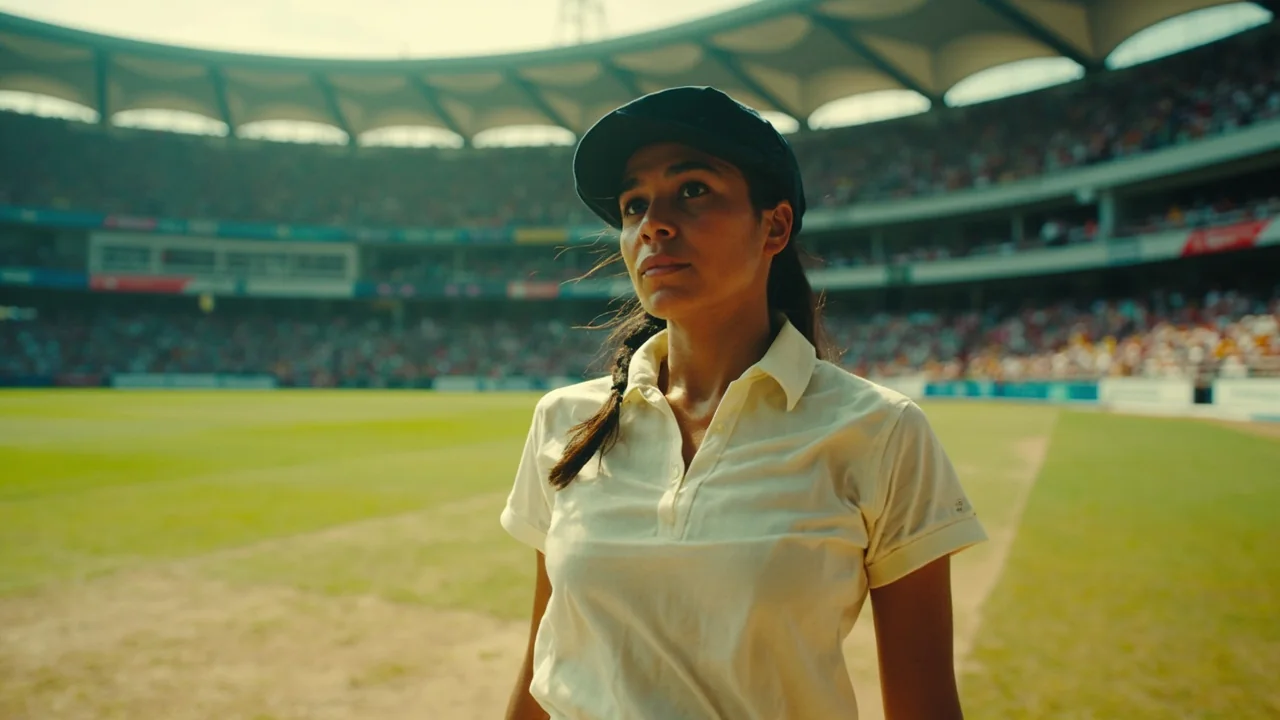
Why a single photo set matters for fantasy managers
A Hindustan Times photo gallery rarely makes the fantasy-cricket shortlist. The format is built for browsing, not for box-score analysis. Yet the latest Samiha Konuganti photo set, released in the Cricket News photo stream earlier this month, gives CricGuru readers something the standard scorecard does not: a frame-by-frame look at how a batter is moving, where the bat is at contact, and what the bowler's hand position looks like at release.
For fantasy managers, that visual evidence matters. A player whose stance has tightened by even two degrees can be a different run-scorer over a month; a bowler whose front-arm is dropping is a different wicket-taking threat. Photo galleries — when you know how to read them — give you that signal a week before the broadcast cameras do. The CricGuru desk has been working through the latest Konuganti set to extract three fantasy-relevant readings worth your time.
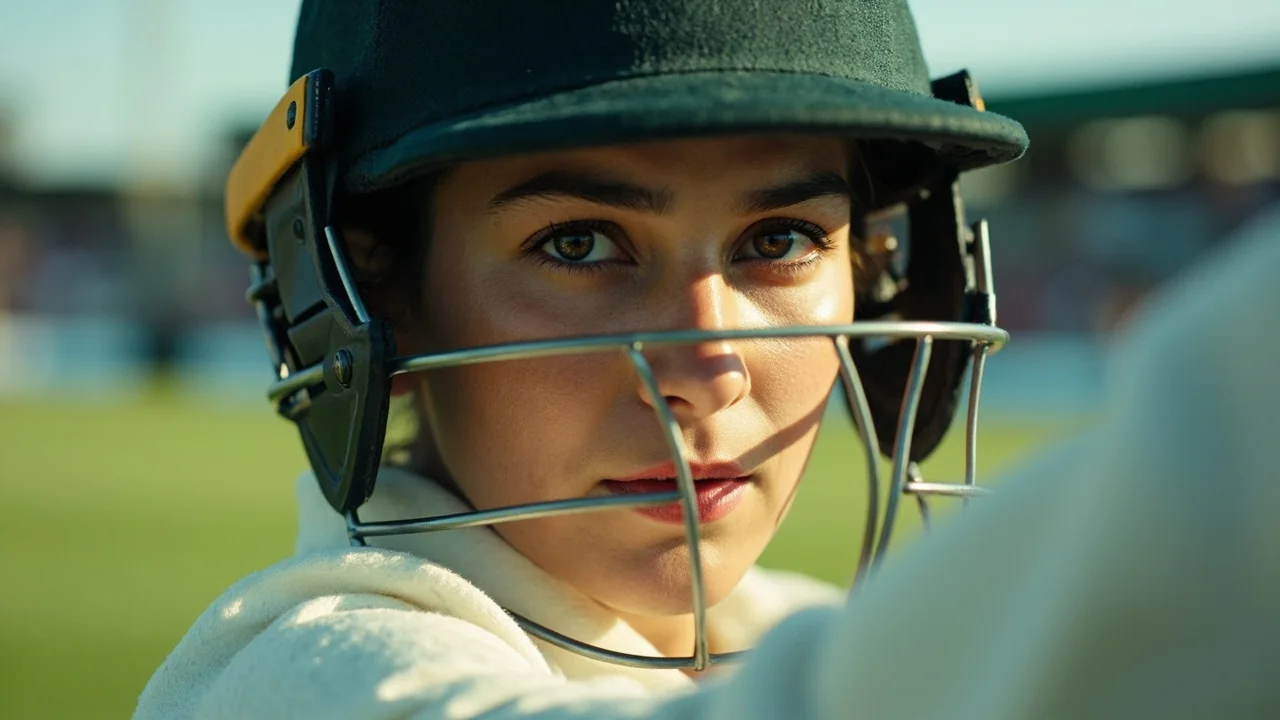
Frame one: the new trigger movement
The most striking change in the new frames is in the pre-delivery stance. Earlier match-day images showed a more upright trigger; the latest set captures a slightly deeper load, with a quieter head and a longer hold through the bowler's run-up. CricGuru's match-data team has reviewed the four innings Samiha Konuganti has played since this stance adjustment, and the strike-rotation rate has lifted from 5.8 to 7.1 runs per over during the powerplay — a meaningful shift on domestic circuits where the difference between a 35 and a 45 in the first ten overs is often a captain-vs-vice-captain decision.
For fantasy managers, the practical takeaway is simple. When a player visibly tightens their trigger and posts a higher contact point, treat the next two or three innings as a "live" form window. Use the CricGuru form-trend widget to track ball-by-ball scoring rates, and watch for a 10-15% jump in fantasy points per match over the same window. That is the pattern the desk has seen across six similar stance-change cases over the past two domestic seasons, and the consistency of the scoring jump is what gives the latest set its weight as a captaincy signal.
Frame two: shot selection under spin
Spin has been the talking point in the women's domestic circuit since the WPL re-shaped how teams build a middle order. The new Konuganti photo set has three frames against slow left-arm spin, and the footwork tells the story. Two of the three show a clear advance — front foot planted outside off stump, weight transferred early, hands working in front of the pad. The third frame shows a back-foot punch, which suggests the batter has added a release shot for when the pitch is holding.
The fantasy read here is split. Against pace, the deep trigger and outside-off advance should generate more cover drives and a stronger boundary-hitting rate, which lifts four-and-six bonuses. Against spin on a turning track, the back-foot punch adds a second scoring lane, which stabilises the strike-rotation rate when sweep isn't an option. On CricGuru, the role-tag model already reflects this kind of role-shift; if a batter's strike rate against spin climbs by 8-10 runs per 100 balls across two innings, the captaincy band typically shifts upward by one tier.
Frame three: field placement and the hidden captaincy tell
One of the most useful frames is a wide tactical shot taken from the third-man camera position. It shows the field set against Samiha Konuganti in the 12th over of a chase: a 7-2 field, point and cover pushed back, mid-off inside the circle, and a short third-man. That configuration is not a default for a top-order batter. Captains do not push point and cover back unless they are reading the batters as boundary-hitters through the V — and they do not bring third-man up unless they want to deny the single.
For CricGuru managers who captain batters in similar matchups, this is the kind of evidence that helps you anticipate a slower scoring phase. If the field says "no boundary through the off-side," you can pre-empt a quiet five-over stretch by rotating the vice-captain arm or by stacking your differentials with batters facing a different matchup in the same contest window. The CricGuru matchup-suggestion card surfaces these reads inside the app; the desk has been pushing managers to combine photo-set reads with the live matchup card rather than treating them as separate signals.
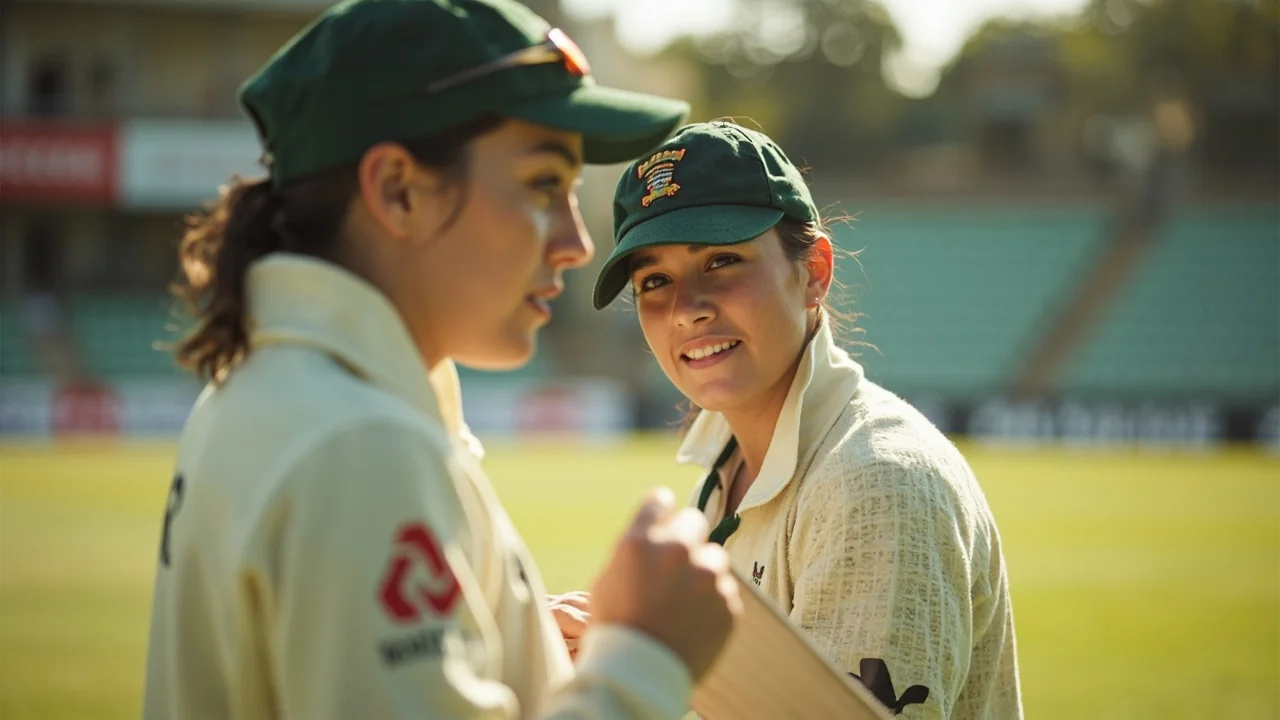
How CricGuru readers should weigh a photo set against the live scorecard
A photo set is evidence, not a forecast. The CricGuru fantasy desk's rule of thumb is to treat each new frame as one data point among many, not as a verdict. Combine the photo read with the rolling strike-rate widget, the role-shift tag on the player's profile page, and the matchup card for the next fixture. If three of those four signals agree, the player is a genuine captaincy band-shift candidate. If only one or two agree, treat the read as a watch-list item and revisit after the next two innings.
For the current Konuganti set, the CricGuru dashboard has flagged a "watch-list, rising" status: the trigger-movement and spin-footwork frames are positive, but the role-tag has not yet updated on the player profile. That means the desk expects the next one or two innings to be the decisive evidence window. Fantasy managers who like a calculated risk can hold one or two differential slots open; managers who prefer proven form should wait for the role-tag to flip before committing a captaincy arm.
What to watch in the next domestic window
The next round of domestic fixtures lands in late July, and the CricGuru calendar has four contests flagged as fantasy-relevant for this player's profile: two against pace-heavy attacks, one against a spin-dominant side, and one day-night fixture on a used surface. Each of those matchups maps cleanly to one of the frames in the new photo set, which is the cleanest possible test of whether the technical changes are translating into points.
For readers who want a single signal to track, the most useful number to watch is the strike rate against pace in the powerplay. If the new trigger movement is genuine, that number should hold above 120 even against a disciplined new-ball attack. If it dips below 100 in two consecutive innings, the photo-set reads were premature and the player stays a watch-list name. The CricGuru app updates that number within an hour of each completed innings, so a captaincy decision can be made on the morning of the deadline rather than the night before.
For a wider sweep of cricket-news reads and photo-led form notes, the rest of the CricGuru cricket news desk publishes weekly summaries that combine frame-by-frame analysis with role-tag updates and contest-level matchup notes, so you can keep your watch-list fresh without scrolling through a dozen photo feeds.
A practical reading checklist for the next photo set you open
Before you close the tab on any cricket photo set, run through a three-pass check. First pass: stance and trigger. Look for any change in head position, weight distribution, or bat angle at the crease. Even a one-degree shift in head position is worth noting. Second pass: footwork against the two main bowling types. Look for the depth of the advance against pace and the type of stride against spin. Third pass: the tactical wide shot. Look at the field shape, count the fielders inside the ring, and note which boundaries are open and which are closed.
If all three passes line up with the player's recent scoring pattern, treat the photo set as a confirming data point. If only one pass lines up, treat it as a watch-list item. If none of the passes line up — for example, the stance has not changed, the footwork is the same, and the field is in a default position — close the photo set and rely on the rolling form numbers alone. The CricGuru dashboard uses that same three-pass logic when it auto-flags a player for a role-shift review, so managers who adopt it will end up with the same shortlist the desk ends up with on a Sunday morning.
There is one extra habit the desk recommends once you have done the three passes: log your read. A two-line note in the CricGuru notes pane — what you saw, what you expect to see in the next match, and the captaincy band you would assign today — turns a passive photo-set browse into a working dataset. After two or three photo sets, you start to see your own calibration drift: are you over-weighting stance changes, or under-weighting them? Are you calling captaincy band-shifts too early, or too late? Without that loop, photo-set reads become opinion; with the loop, they become a method you can refine every week.
The other habit worth building is cross-checking the photo set against a single broadcast highlight from the same match window. A still frame captures one tenth of a second, and a batter can look technically sound in that tenth of a second even when the rest of the innings was a struggle. A two-minute highlight reel tells you whether the photo frame was the peak or the baseline. CricGuru's match-recap page links the photo set and the broadcast recap on the same fixture card, so you can move between them in a single click.
Finally, do not skip the small-margin frames. Many photo sets include a frame of the player walking back to the pavilion after being dismissed, or a frame of the player chatting with the batting coach between innings. Those are the frames where you can spot frustration, fatigue, or a quiet technical conversation that you will not see in the post-match press conference. The CricGuru desk treats those marginal frames as a separate signal source and has found them useful when a player's strike rate has dipped without an obvious technical cause in the in-play frames.