What does a fantasy cricket points calculator do?
It converts a player's projected or completed match actions into an estimated fantasy score using the scoring rules you enter. It is a planning and review aid, not a guarantee of future points.
A practical way to turn expected runs, wickets, catches and role information into comparable score scenarios before you lock a fantasy team.
| CricGuru Fantasy Desk | 14 min read · Fantasy tools

A fantasy cricket points calculator is a structured worksheet for turning cricket events into a comparable score. You enter or estimate runs, boundaries, wickets, catches, stumpings and other actions, then apply the scoring values used by the relevant fantasy platform. The result is useful because it puts players with very different roles on one scale. A top-order batter, a death bowler and a wicketkeeper can be compared without relying only on reputation or recent headlines.
The calculator is most reliable after a match, when the scorecard is known and the task is to audit an official total. Before a match it becomes a scenario model. You might estimate that an opener faces 24 balls, a seamer bowls three overs including one at the death, or a keeper has two dismissal opportunities. Those are assumptions rather than facts. The output should therefore be read as “points under this scenario,” not as a promise of what the player will score.
CricGuru recommends keeping calculation and selection separate. First calculate a base range using the current rule sheet. Then judge whether the assumed role is realistic after team news, toss and pitch information. No calculator can know a surprise batting-order change, an early injury or a tactical substitution. Its value comes from making your assumptions visible enough to challenge before contest lock.

The first field in any useful calculator is the scoring profile. T20, ODI and Test contests do not create identical opportunities, and fantasy platforms may apply different values, thresholds or economy rules. Never copy numbers from an old article or from another app without checking the contest rules shown inside the platform. Even a small difference in wicket bonuses, milestone thresholds or strike-rate treatment can reverse a close comparison.
Create a dated rule-sheet preset rather than typing values from memory each time. Record the match format, platform, contest type and the date on which you verified the rules. Include batting events, bowling events, fielding events, starting-line-up credit, duck penalties, economy adjustments, strike-rate adjustments and captain multipliers if they apply. If a category is absent from the official rules, leave it at zero instead of inventing a value.
For a completed match, use the official fantasy platform total as the final authority if your estimate differs. A cricket scorecard may not expose every event in the same way the platform processes it, particularly substitutions, credited dismissals or eligibility for rate-based bonuses. The calculator is an explanatory tool. The operator's published scoring rules and final contest settlement remain the authoritative sources for that platform.
Pre-match calculation should begin with opportunity, not a desired points total. For batters, estimate batting position and likely balls faced. For bowlers, estimate overs and phases: powerplay, middle overs or death. For all-rounders, assess both disciplines independently rather than assuming the label guarantees a full dual role. For wicketkeepers, combine batting opportunity with a modest fielding range instead of treating dismissals as certain.
Use three scenarios for each serious candidate. The floor case describes reduced opportunity: a batter faces only a few balls or a bowler receives two overs. The base case reflects the most likely workload. The ceiling case captures a strong but plausible match, not an impossible best-ever performance. Entering all three ranges stops one optimistic assumption from dominating the decision and makes volatile players easier to identify.
A simple expected-score worksheet can then calculate batting points, bowling points and fielding points separately. That split is important. Two players may have the same base estimate, but one reaches it through a stable top-order role while another needs two wickets at the death. The second player may have the wider ceiling, while the first may suit a conservative combination. The arithmetic supports the decision; role analysis explains the risk.

Captain analysis should start with the unmultiplied estimate. Calculate every candidate's base range using the same rules, then apply the captain or vice-captain multiplier shown by the platform. Keeping the stages separate prevents a common spreadsheet error in which a multiplier is applied to one category and then applied again to the total. It also lets you compare ordinary selection value with multiplier value.
Do not choose the captain solely because one ceiling estimate is largest. Ask how often the player can access the events behind that total. An opener expected to face substantial volume, an all-rounder with secure overs, or a wicketkeeper batting high in the order usually has more scoring routes than a specialist relying on one short phase. Multi-route players often make stronger base-case multiplier options, while volatile specialists may be useful only in combinations designed for a specific match script.
Use a sensitivity check. Reduce the assumed balls faced, overs or fielding events one at a time and recalculate. If a candidate remains competitive after a reasonable reduction, the projection is robust. If the estimate collapses when one wicket or one catch is removed, label it as fragile. This process is more informative than comparing a single precise-looking number that hides uncertain assumptions.
A calculator becomes more useful as verified match information arrives. The confirmed XI is the strongest update because a player who is not selected has no ordinary scoring opportunity. Next, note role clues in the team sheet: wicketkeeping responsibility, likely opening pair, number of spin options and impact-player candidates. Update workload fields rather than adding an arbitrary “good pick” bonus.
Use the pitch report to adjust opportunity and efficiency assumptions, not to guarantee an outcome. A dry surface may increase the expected relevance of spin, while a fresh or seaming surface may support powerplay bowlers. A small boundary can raise batting ceiling but may also increase catching chances in the deep. Dew can affect grip and chasing conditions. Translate those observations into a modest change in overs, wicket expectation or scoring range.
After the toss, recalculate only the fields affected by the decision. If a team chases, update the match script and likely batting exposure. If an impact-player plan becomes clearer, adjust the chance that a specialist participates fully. Keep an audit note beside every change—“confirmed opener,” “bowls at death,” or “dew expected”—so you can review whether the adjustment was evidence-based after the match.
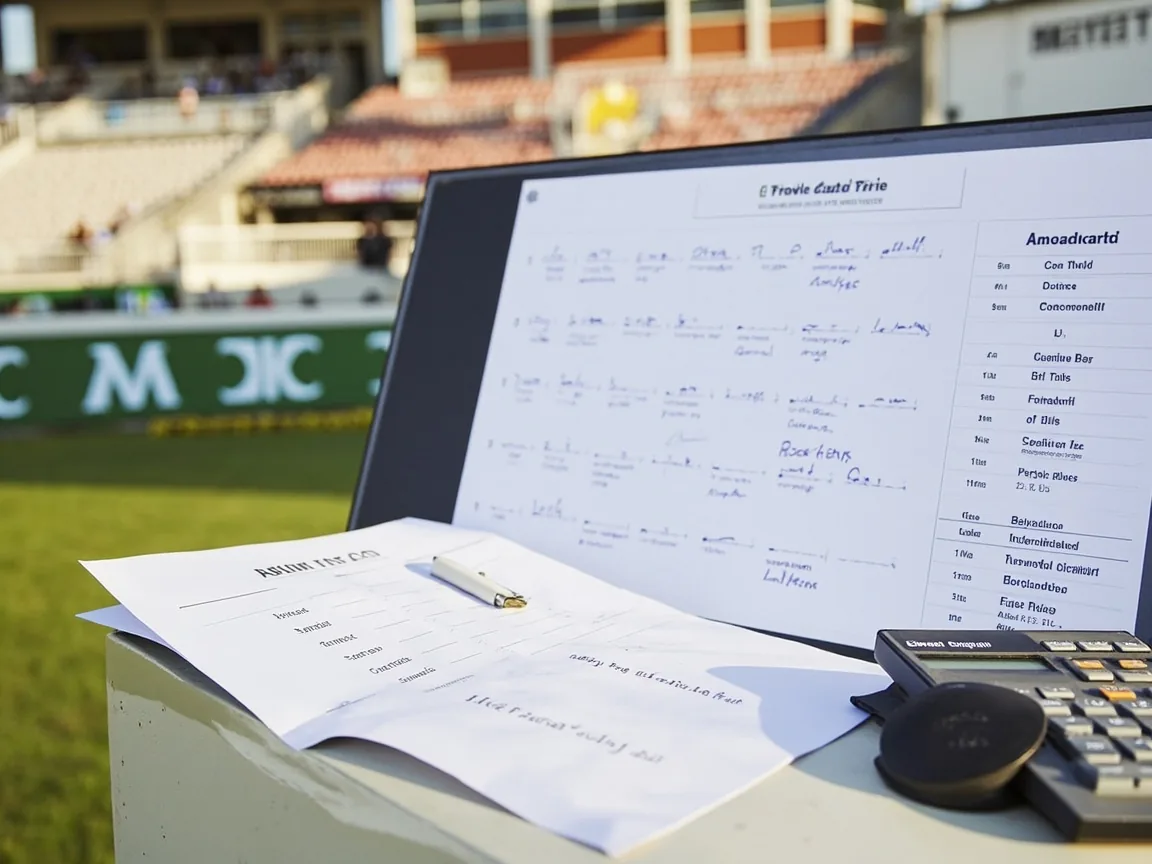
The first error is using the wrong rule sheet. The second is mixing projections with completed-match data, such as entering actual runs but projected wickets. The third is double-counting captain multipliers. The fourth is treating all-rounder status as proof of overs. The fifth is adding a fielding event to every player as though catches are evenly distributed. The sixth is presenting a decimal-heavy estimate as certainty rather than a scenario.
Another subtle error is selection bias. If you adjust assumptions until a favourite player wins the comparison, the tool is no longer testing your view; it is decorating it. Use the same baseline method for every player in the pool. Where roles differ, document the reason for different inputs. Save the assumptions before checking social-media predictions so that external enthusiasm does not silently inflate one projection.
Finally, avoid turning a utility page into a claim of guaranteed winnings. Fantasy scores depend on real sporting events that are inherently uncertain. A calculator can improve consistency, reveal trade-offs and help you understand official scoring, but it cannot remove risk. Use it for free-practice analysis and responsible decision-making, and follow the age, location and contest restrictions displayed by the platform you use.
The strongest long-term use of a points calculator is review. Save the pre-match floor, base and ceiling estimates, then enter the actual match events after the result. Compare the final score with the estimate category by category. If a player missed the projection because the expected role never appeared, your role assumption needs work. If the role was correct but performance varied, the process may still have been sound.
Track errors over a group of matches rather than reacting to one contest. Record batting-position misses, over-allocation misses, unexpected substitutions and scoring-rule mistakes separately. A repeated tendency to overestimate death overs is actionable. One batter being dismissed first ball is ordinary variance. This distinction helps you improve the model without constantly rewriting it to explain random outcomes.
Keep official references beside the log. Link the platform's current point system, the final scorecard and the contest result if available. Search results for fantasy calculators show that official point-system pages and independent calculators both exist, but the official scoring page should be the reference for rule values. Third-party tools are useful for arithmetic and comparison; they should not override the operator's current rule sheet.

Step one: select the exact platform and format rule preset, and verify its date. Step two: shortlist players by confirmed or probable role, then enter floor, base and ceiling opportunity assumptions. Step three: calculate unmultiplied batting, bowling and fielding components. Step four: apply captain and vice-captain multipliers once, after the base total. Step five: update the worksheet after the confirmed XI and toss, then save the final assumptions for post-match review.
For quick comparisons, focus on the inputs that move the total most: batting position, balls faced, overs, bowling phase and wicketkeeping responsibility. Do not spend time refining tiny decimal adjustments while a player's role remains uncertain. A rough but honest range based on a confirmed role is more useful than a precise total based on an imagined workload.
Use the result alongside CricGuru's fantasy cricket guides, match prediction framework and responsible-play information. The tool belongs in a wider research process: scoring rules explain the arithmetic, team news establishes opportunity, and post-match review improves future assumptions. That combination is how a calculator becomes a decision aid rather than a score-shaped guess.
Verify the rules, update confirmed roles and use ranges—not guarantees—before contest lock.
Open CricGuru app